Stages of Visual Creativity is an educational game for Art and Design students.
During the Faculty Crossing Residency at IUPUI, I designed and developed a one-level online game for my students about creativity. This game is designed to demonstrate visual creativity strategies
My aim is to introduce some creative techniques to the students. This is just an introductory game and techniques for teaching creativity.
https://herron.indianapolis.iu.edu/news-events/stories/2021-11-18-mihci-video-game.html
https://herron.indianapolis.iu.edu/news-events/stories/2021-11-18-mihci-video-game.html

A bite-sized learning game that turns “creativity” from a mystery into a repeatable process.
Format: Web-based 2D Unity game (1 level)
Audience: Art & Design students
Role: End-to-end (UX + game design + UI + build)
Most students want to be creative. They just don’t know where to start. So I built a short game that teaches them how to see differently, decode meaning, and transform visuals using practical creativity tools (semiotics + SCAMPER + Breaking/Bending/Blending).
The Problem
“Be more creative” is not actionable feedback.
In early design courses, students often:
- freeze at the blank page,
- copy references without transforming them,
- struggle to explain why an image “means” something.
Traditional lectures explain theory… but students need a hands-on system they can reuse in every studio project.
The Goal
Create a playful learning experience that helps students:
- Shift perception (because meaning depends on interpretation)
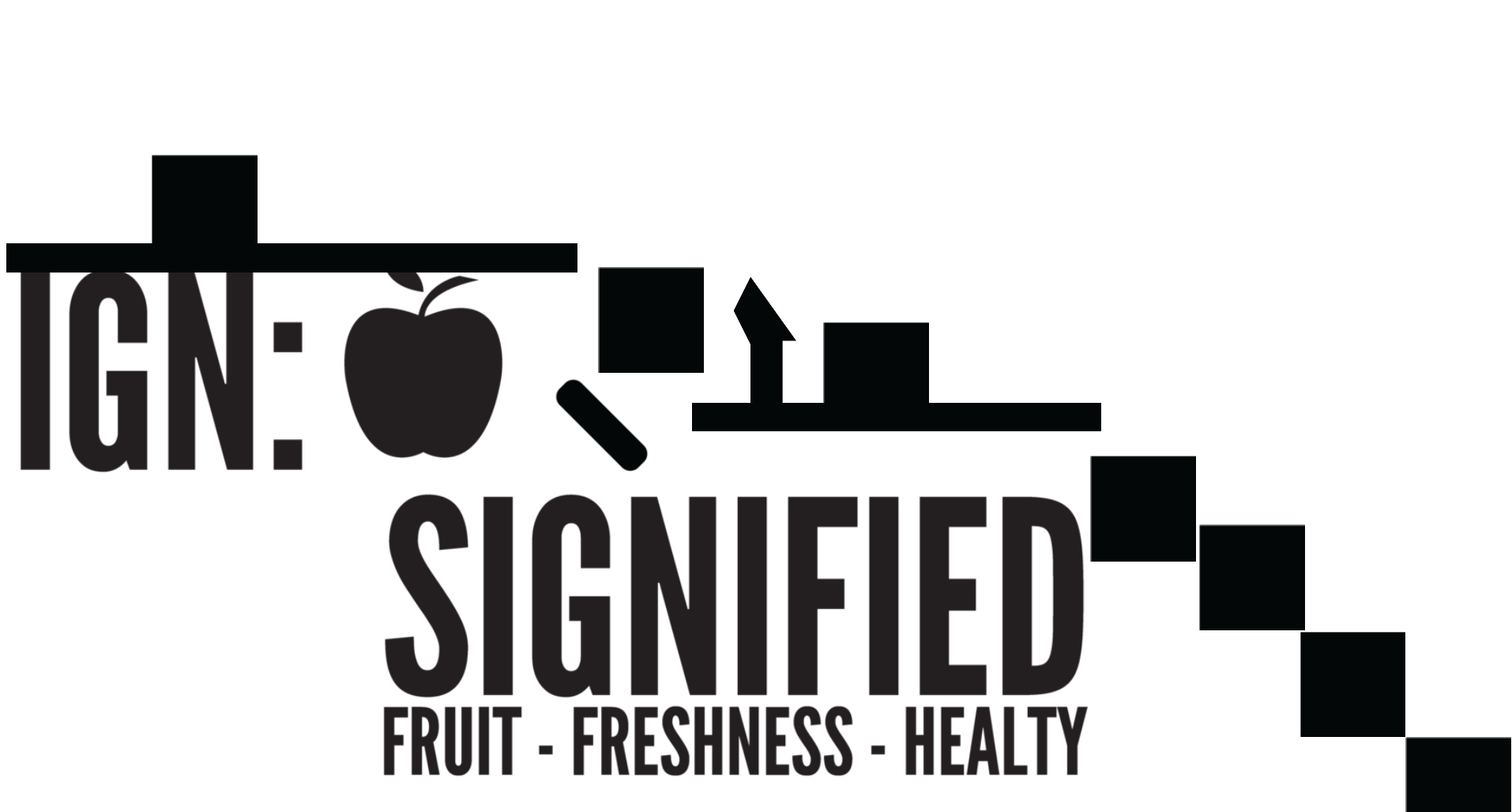
- Read images using basic semiotics (signifier/signified, denotation/connotation)
- Generate variations quickly using SCAMPER + simple transformation verbs
- Leave with a new meaningful image, not just notes
Success looked like: “Students can move from object → multiple transformed concepts → one meaningful visual direction.”

Users
Primary users:
- First/second-year Art & Design students learning “meaning-making”
- Learners who benefit from doing (not just listening)
Secondary users:
- Instructors who want a repeatable classroom tool for creative ideation
Constraints (aka “the fun limits”)
- Short timeline (built fast to be classroom-ready)
- One-level experience (tight scope, strong learning arc)
- Needs to be low-friction: simple controls, clear instructions, minimal UI clutter
- Must teach theory without feeling like… homework 👀
The solution
A stage-based “creativity workout” disguised as a game
The game runs as a guided journey with voice-over support and visual prompts.
Core loop:
See → Interpret → Transform → Try again
Key features
1) Onboarding that takes 10 seconds. Quick controls + immediate interaction (no tutorial fatigue).
2) “Perception reset” moment. A classic illusion (duck/rabbit) to prove that seeing isn’t objective — it’s constructed.
This sets up the idea: “If perception can shift, meaning can shift.”
3) Semiotics, but make it playable. Students learn to identify:
- What the image literally shows (denotation)
- What it suggests culturally/emotionally (connotation)
This gives them a vocabulary to explain their choices (and critique others).
4) Creativity actions students can actually use. Instead of “be creative,” the game teaches verbs:
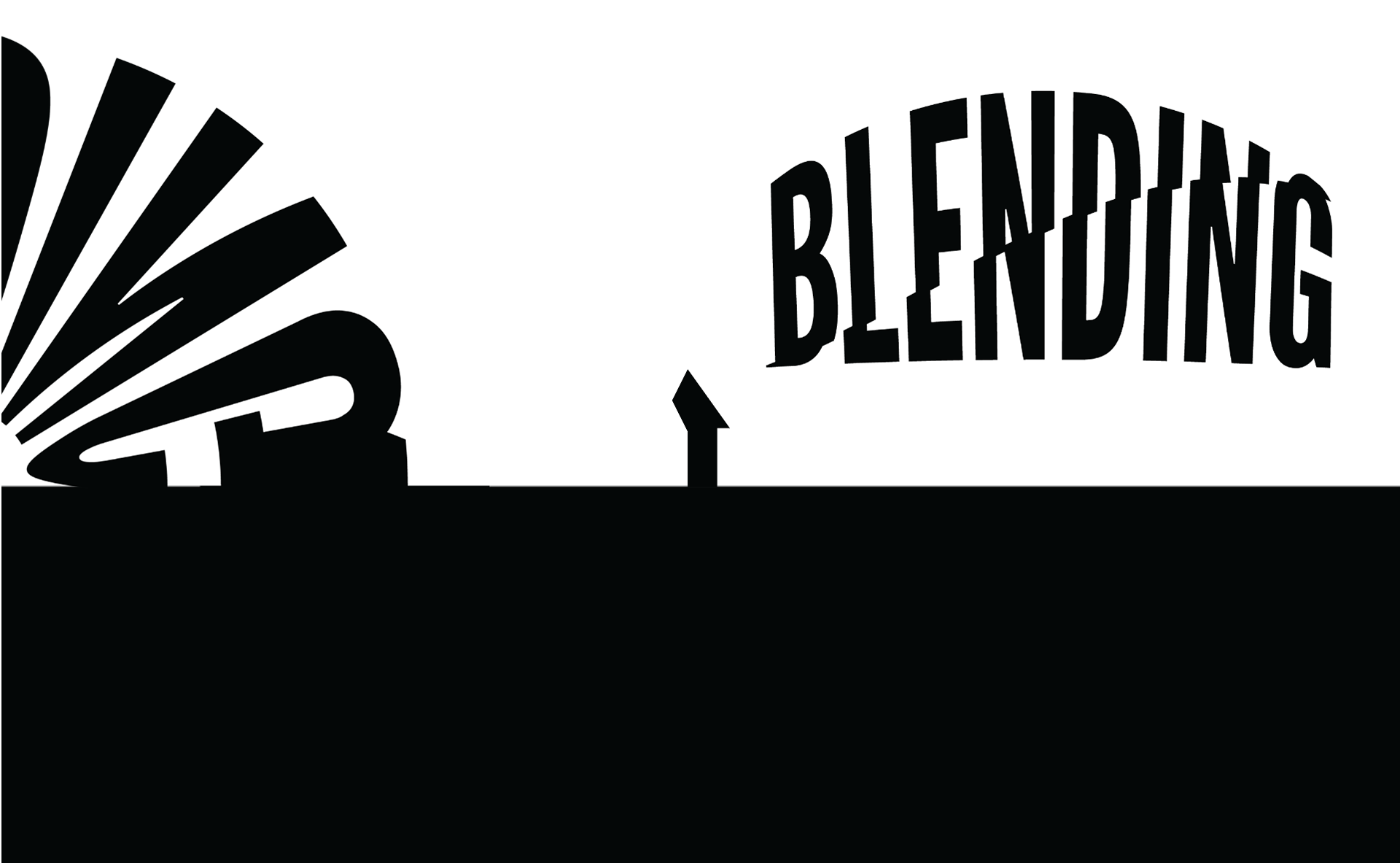
- Breaking (fragment, remove, disrupt)
- Bending (distort, exaggerate, reframe)
- Blending (combine ideas, hybridize, remix)
5) SCAMPER as an idea generator. Students practice quick ideation with prompts like Substitute/Combine/Adapt/Modify/etc.
(Translation: no more staring at the wall waiting for inspiration.)
Outcome
- Piloted as a classroom tool in a meaning-making course/workshop format
- Students used the framework to transform an object/shape into a new, meaningful image direction